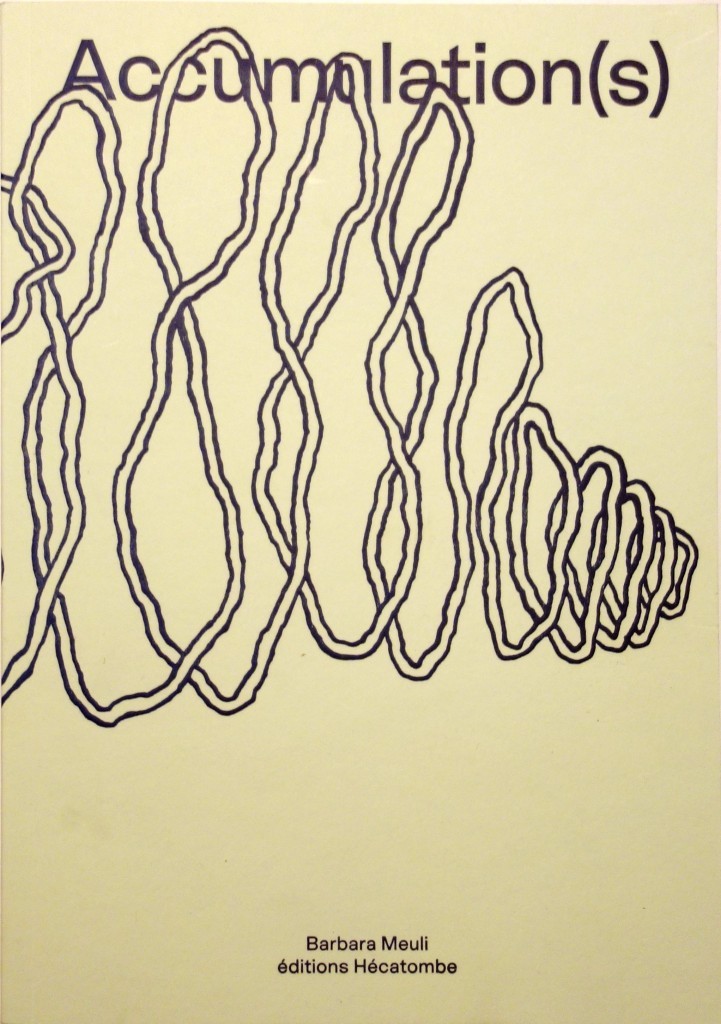
Accumulation(s)
400 ex
Binding : cousu, carré collé
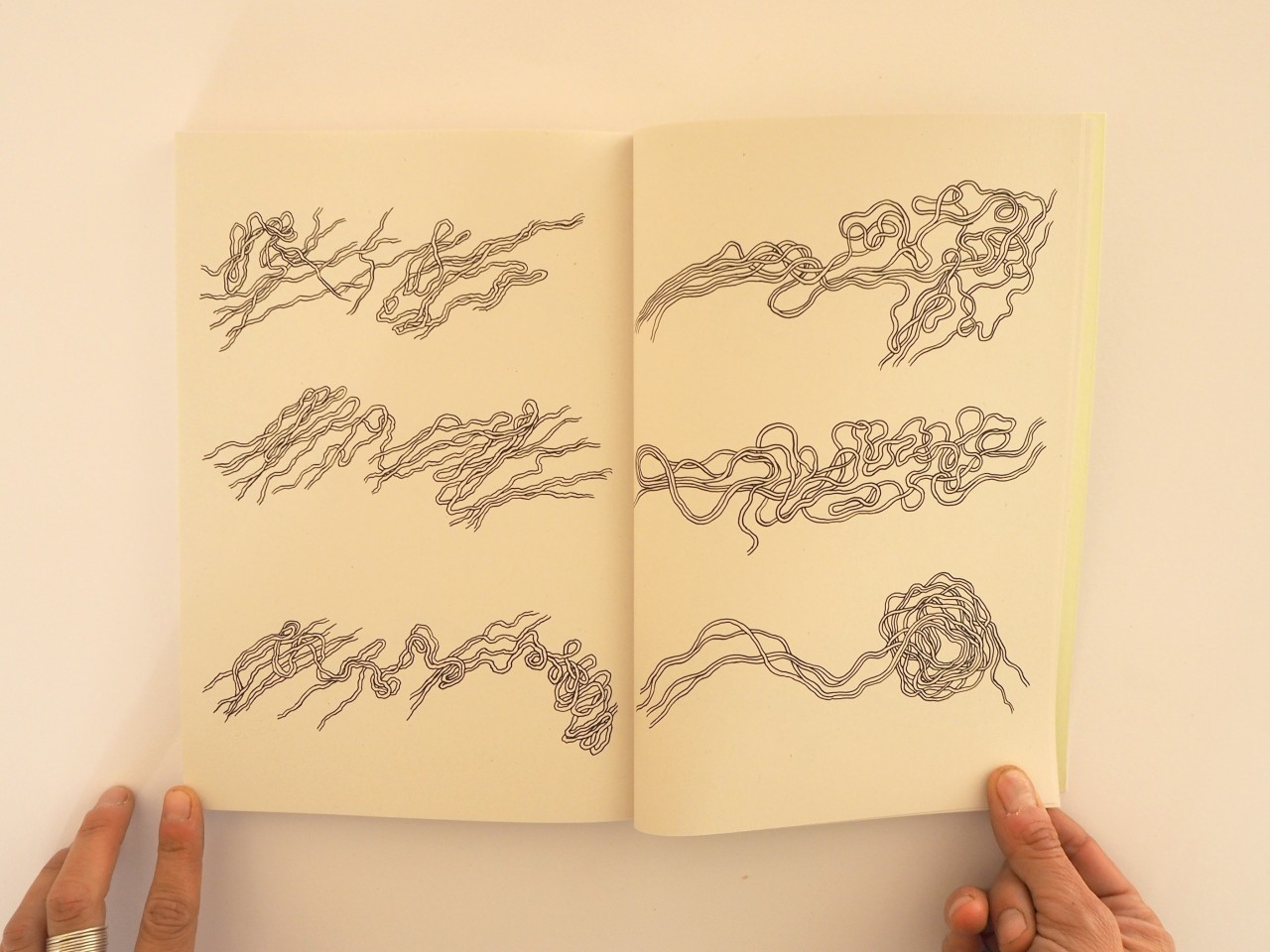
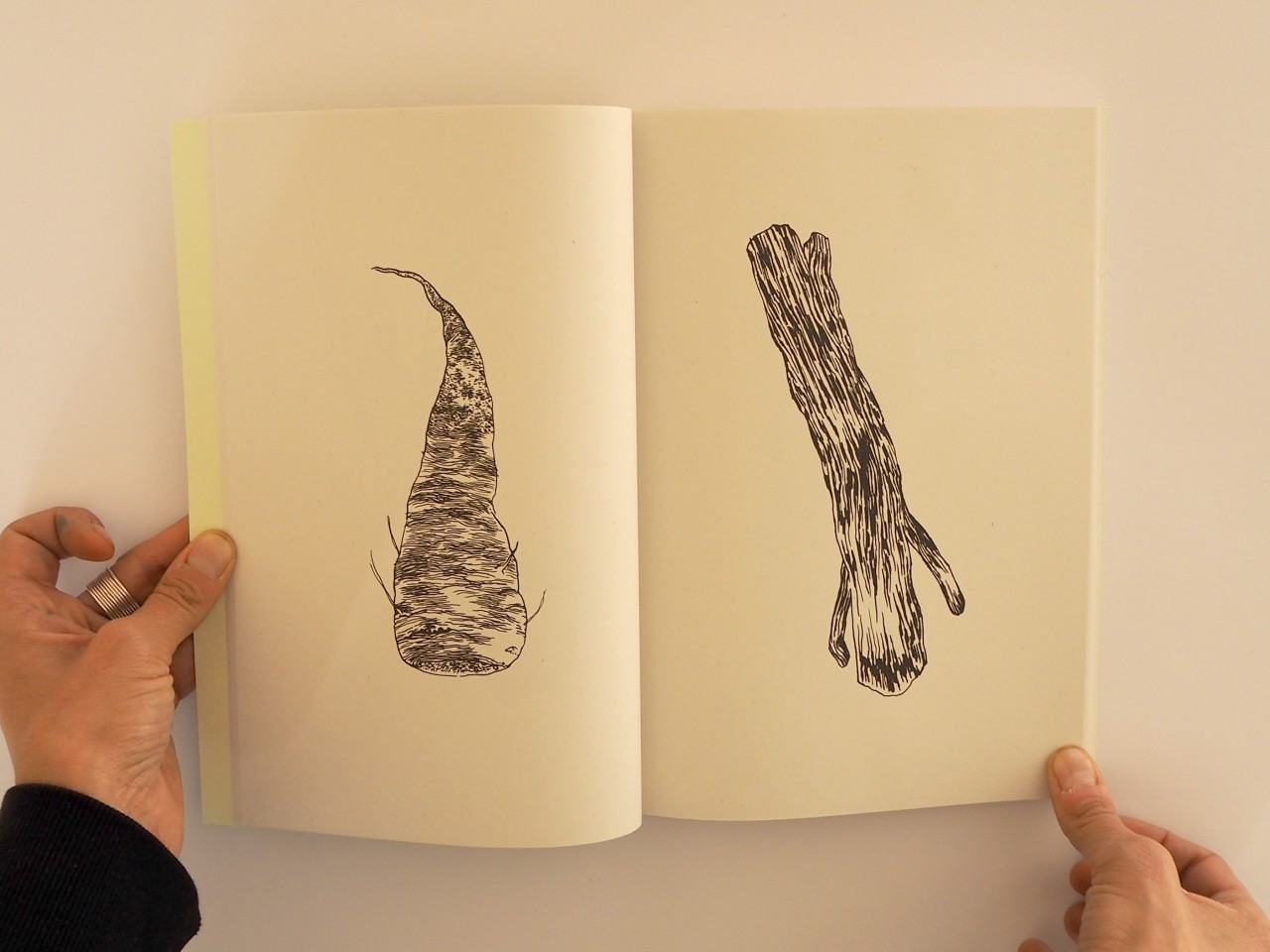
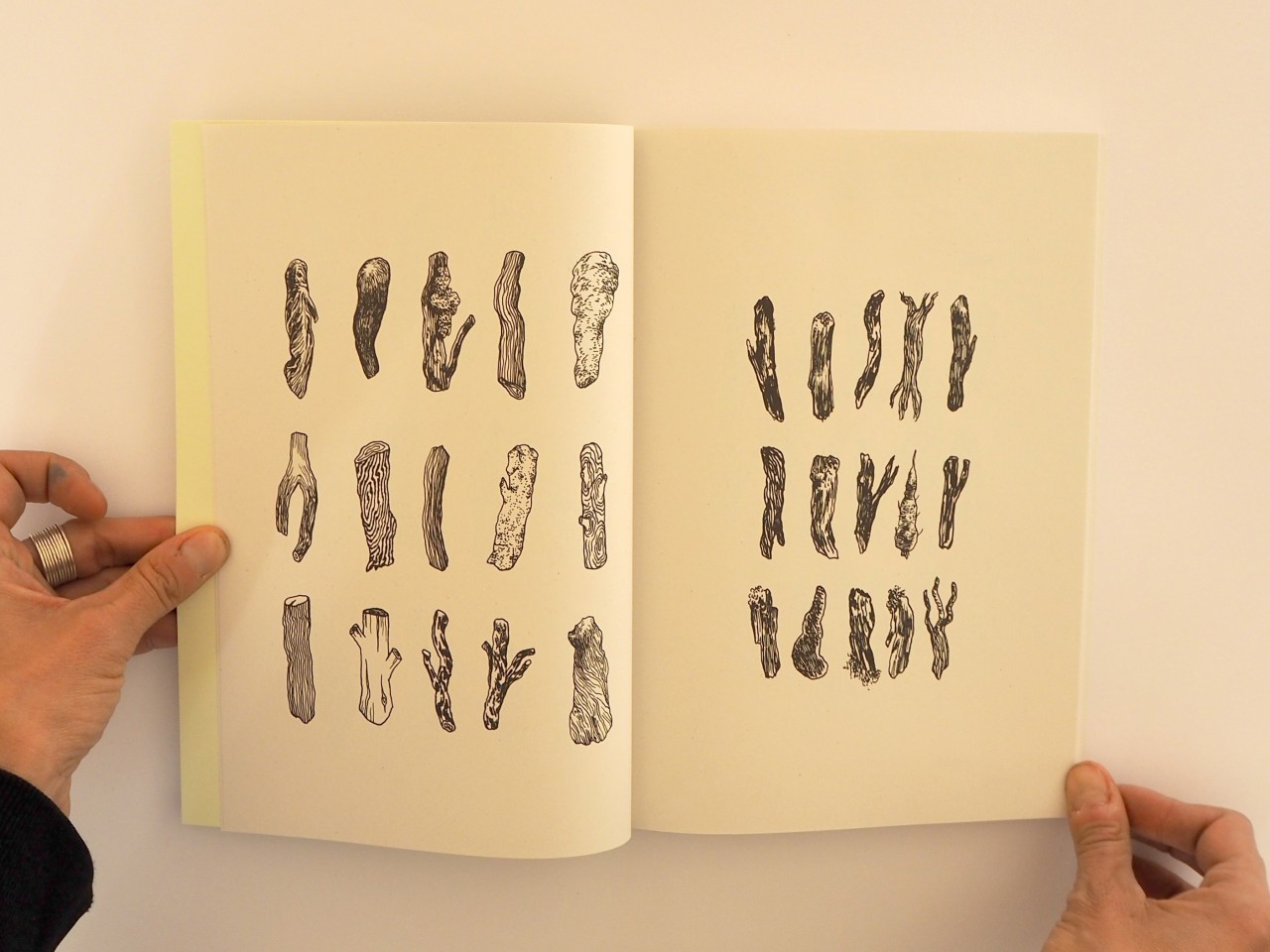
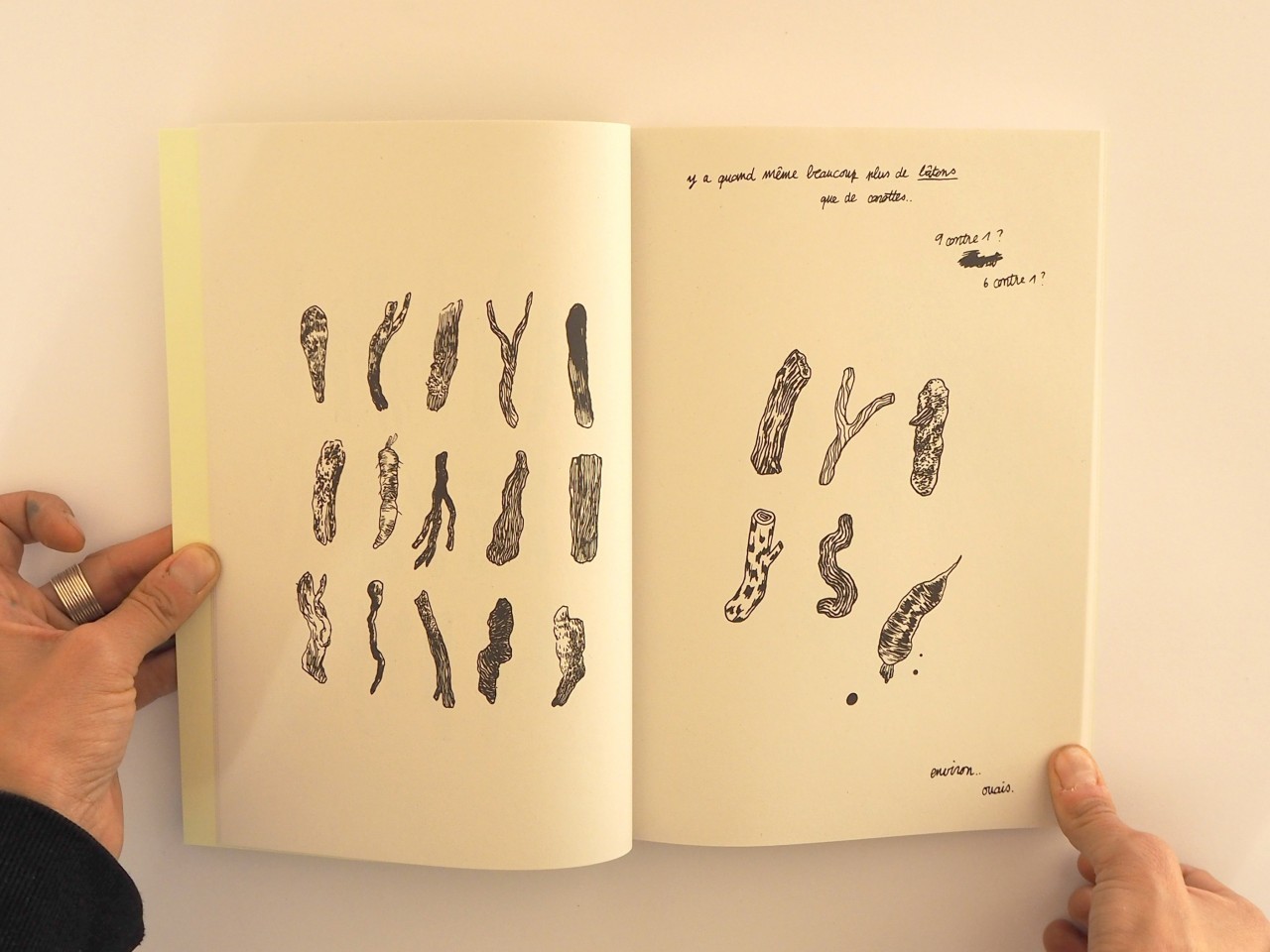
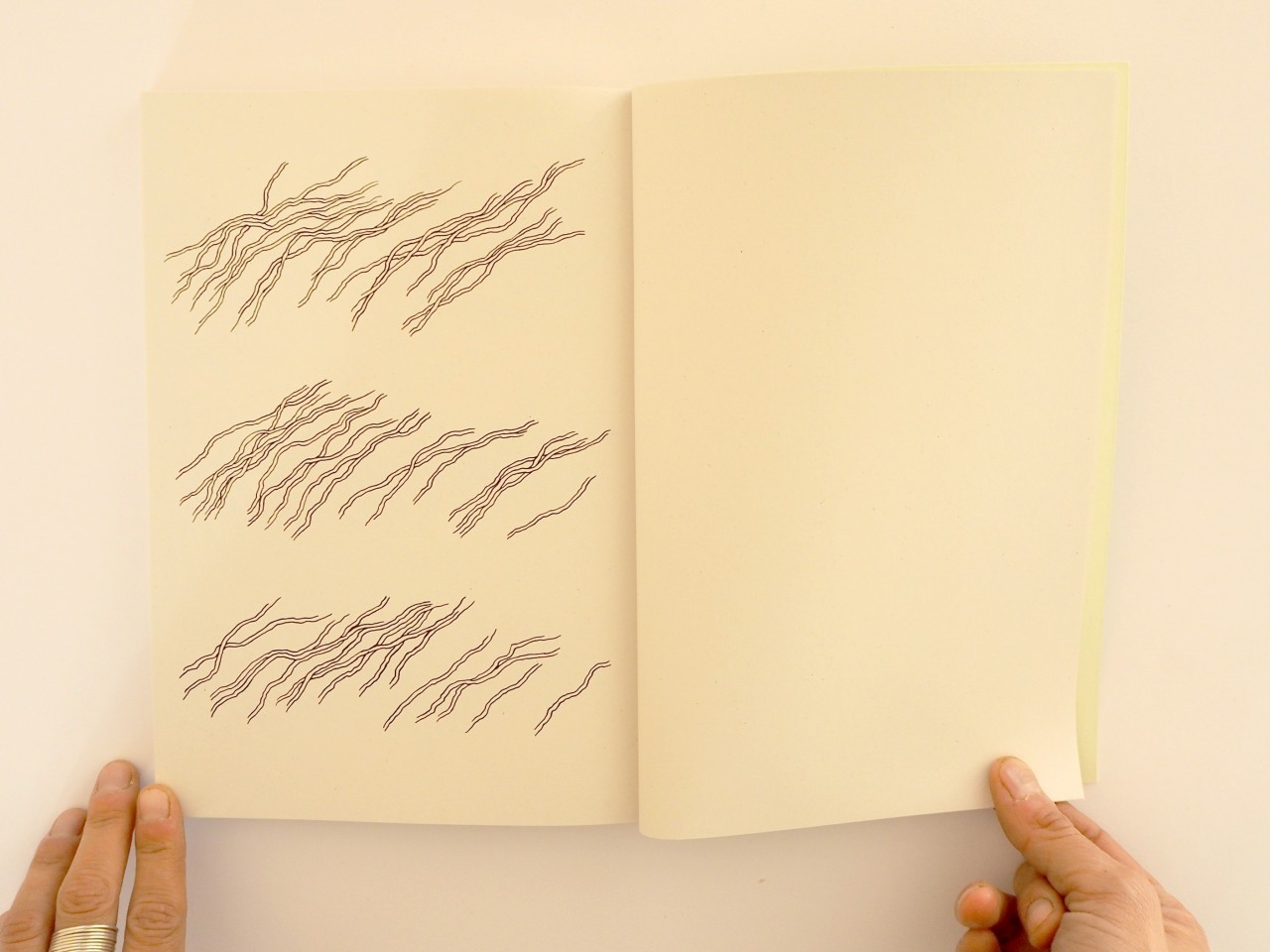
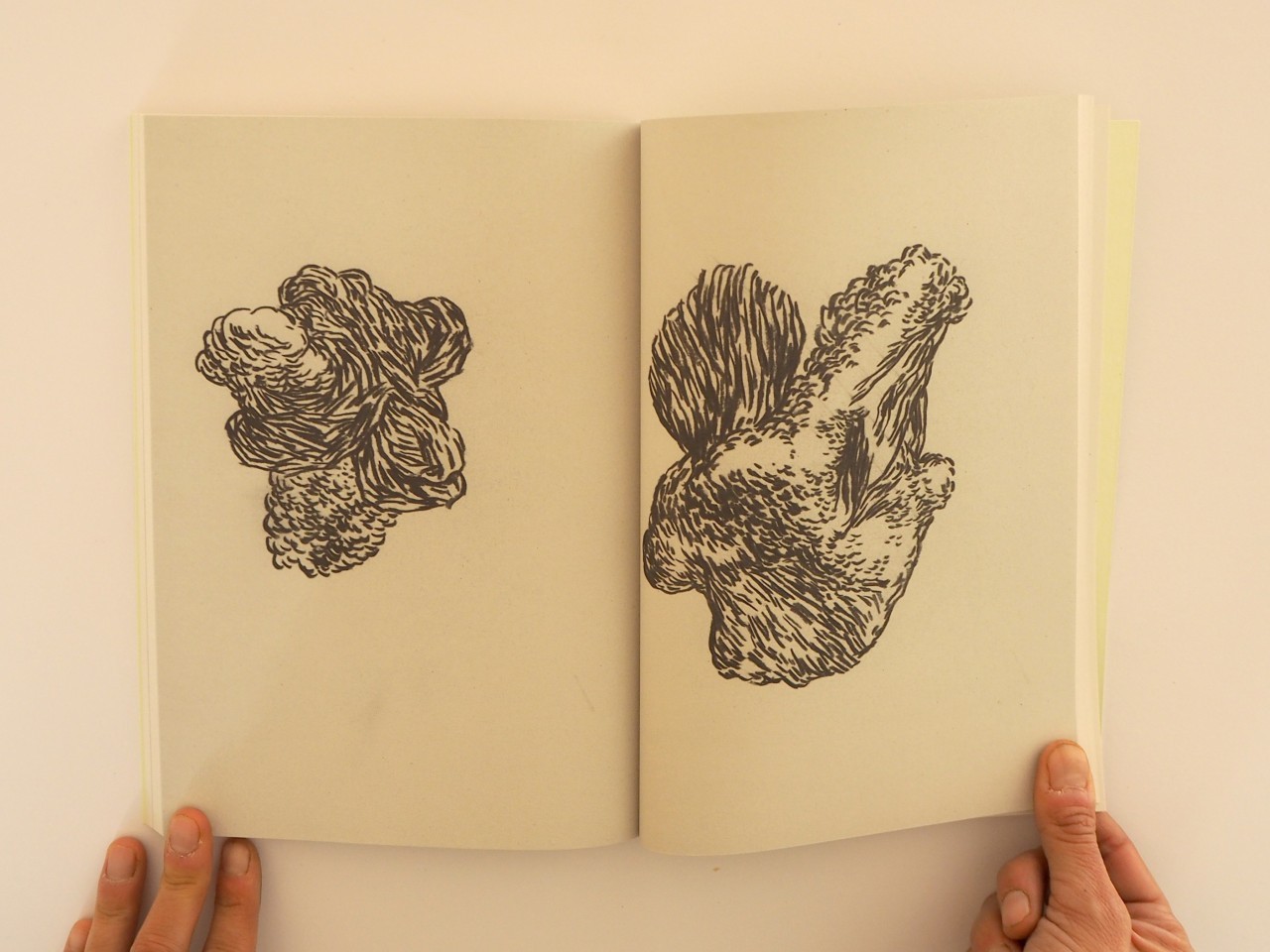
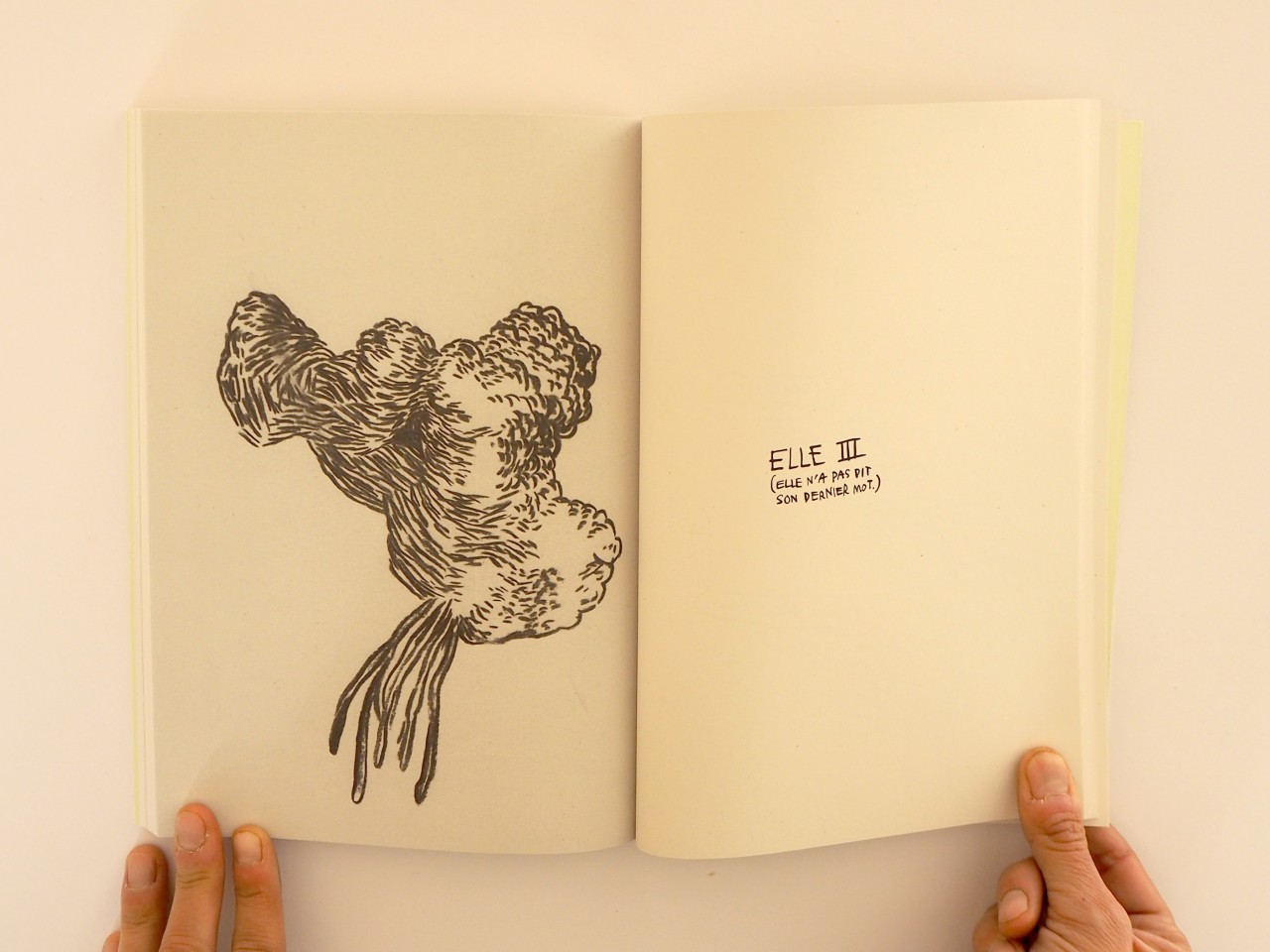
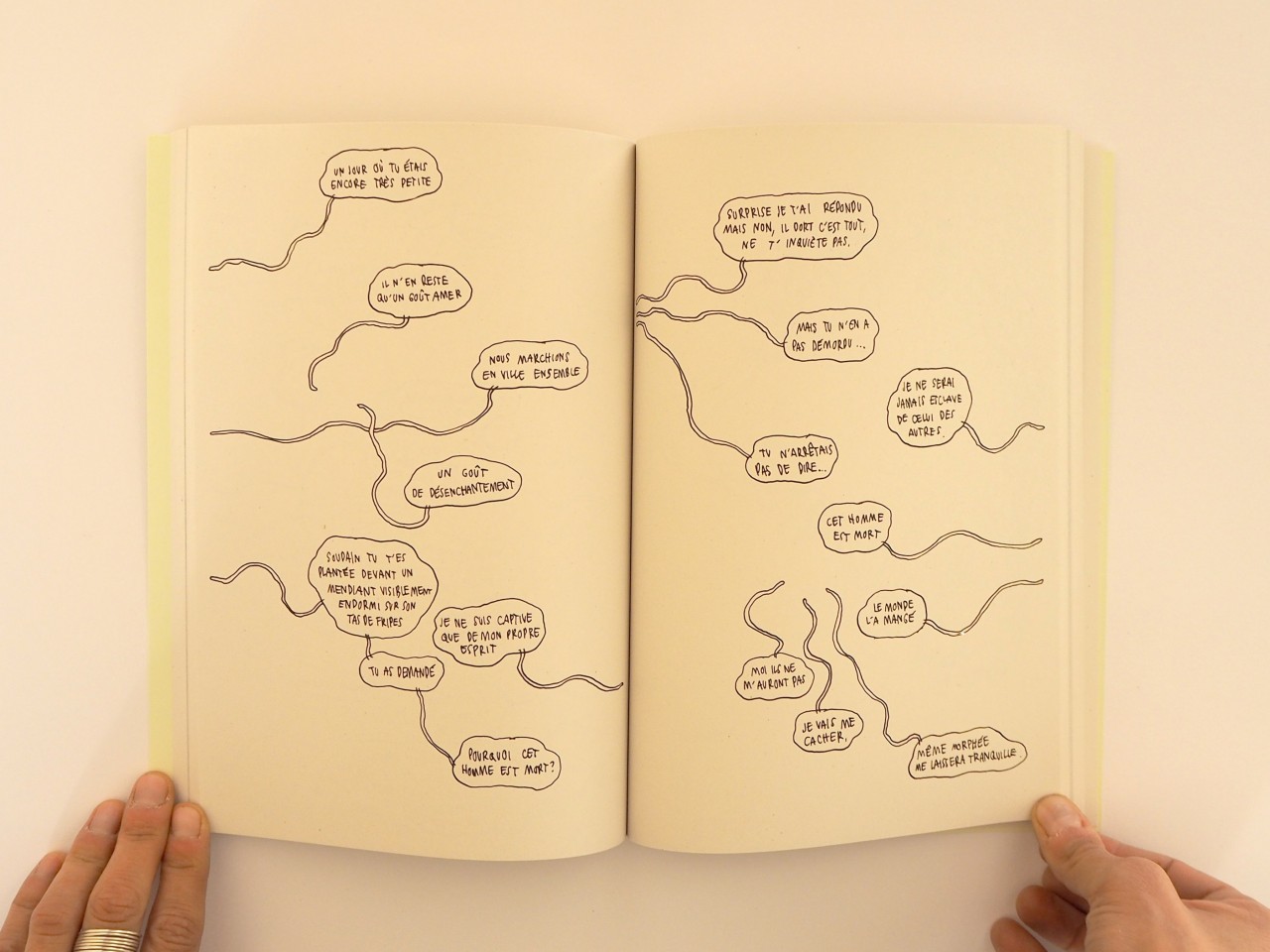
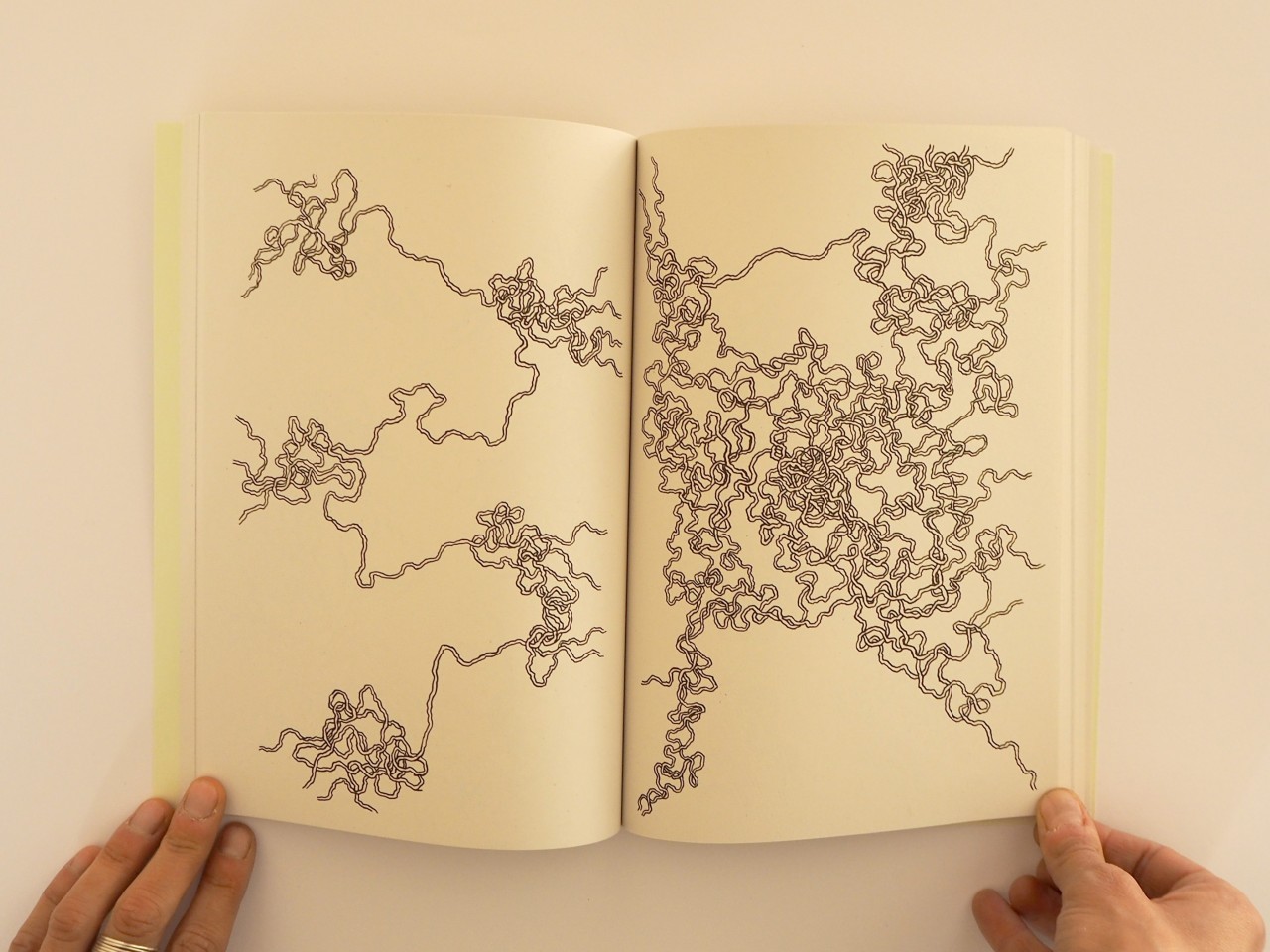
What immediately strikes the reader in Accumulations is the gesture: Barbara Meuli separates the two driving forces of graphic storytelling—the speech bubbles and the drawings—only to rearrange them in a completely different arrangement. On one hand, speech bubbles without bodies converse in the blank space of the page. Opposite, silent panels unfold organic, geometric, or figurative motifs. Despite its exploratory approach, the book is unmistakably a comic: the drawing and lettering of the speech bubbles create a presence that makes us forget the absence of bodies. These dialogues without protagonists become voices. In counterpoint, the drawings, devoid of text, provide a breath, a rhythm, a musicality. With a single breath, a scene is set: we are now in a play. On stage, they are inner voices, the singers of a contemporary melodrama: the fragmented and verbose symptoms of a woman's tossed about. The author dissects these raw psyches, X-raying these experiences of a sadly banal sordidness: violent ex-partners who undermine self-esteem, impossible demands, imposed roles, the urge to throw it all away, to do nothing, to endure, until disgust sets in—disgust with one's body, with one's inadequacy, with one's very existence. Immersed in murky waters, the book examines, extracts, and exposes the mechanisms of our time: systemic violence, patriarchy, precariousness. And their corollaries—apathy, anxiety, self-destruction. In this freefall, where everything becomes absurd, almost laughable, something finally gives way. A tiny, almost nothing, but enough for them to be able to recompose themselves and “become something other than a finished, urinary female product” (sic).
Accumulations is a wild aesthetic experience: it hisses, it crackles, it fades, it shudders, it overflows from every page. In its implacable logic, the book gleefully attacks everything, sparing nothing and no one: love, seduction, morality, death itself. Even its own medium: its motifs become living organisms that infect the margins, its voices resonate from off-screen, and its viscous glyphs stick to our fingers, threatening to infiltrate our souls. On the verge of disintegration, a raw catharsis takes place: a dark and jubilant pleasure arises from the simple act of staring into the abyss and laughing at it, laughing loudly, so as not to die.